Introduction
In recent years, retail investors have become a formidable presence in the stock market. Equipped with mobile trading platforms, financial apps, and instant access to market data, individual investors are no longer passive observers—they are active participants, capable of influencing market dynamics. Market dips, once seen primarily as triggers for panic selling, are increasingly being viewed by everyday investors as opportunities to acquire undervalued stocks. This shift in investor behavior underscores a significant transformation in how financial markets operate and highlights the growing role of personal agency in wealth-building.
The Psychology of Buying the Dip
Buying during market downturns is more than a tactical move; it reflects a broader psychological pattern rooted in perceived value. Retail investors often view market dips as a clearance sale, offering discounted prices for high-quality stocks. Unlike institutional traders, who may retreat due to fear of inflation, trade disputes, or potential recessions, retail investors frequently approach downturns with calculated optimism. This mindset leverages volatility as a strategic entry point rather than a deterrent.
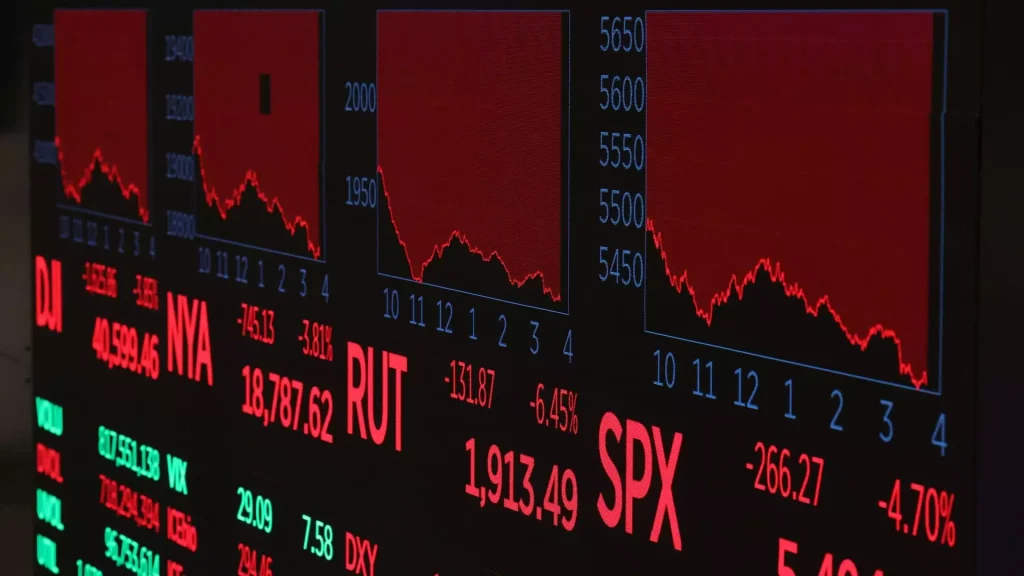
Historically, retail trading was often dismissed as reactive or speculative. Today, it demonstrates discipline and insight. For instance, during a recent S\&P 500 decline, retail investors collectively invested billions into equities, indicating a significant appetite for risk-managed exposure. The behavior suggests that fear, while paralyzing for large institutions, can motivate informed retail investors to capitalize on opportunities.
Economic Conditions: Risk and Reward
While market dips present opportunities, they also carry inherent risks. Economic indicators—including inflation trends, tariffs, and consumer spending patterns—can impact stock performance. Volatility indexes, which measure investor fear, have surged to levels not seen since the early stages of the COVID-19 pandemic, emphasizing the uncertainty that accompanies these periods. Retail investors must balance optimism with caution, understanding that external factors can exacerbate losses or delay recovery.
Despite these risks, savvy investors recognize that temporary economic turbulence can reveal undervalued stocks. By strategically allocating capital during downturns, retail participants position themselves to benefit when markets rebound. The challenge lies in identifying quality investments and avoiding overexposure to speculative sectors or overleveraged companies.
The Role of Technology and Social Media
The democratization of investing knowledge has played a pivotal role in empowering retail investors. Social media platforms, educational apps, and online communities now provide guidance and share market strategies in real time. Financial influencers and educators have fostered a culture of collective learning, encouraging users to approach market dips with both strategy and confidence.
This social dimension has created a network effect: investors not only act independently but also derive insights from shared experiences and analyses. As a result, retail investors are increasingly informed, collaborative, and capable of executing complex strategies that previously required professional advisory services.
Long-Term Strategy vs. Short-Term Gains
While tactical purchases during dips can yield short-term gains, long-term investment strategies remain essential. Patience and disciplined capital allocation are critical for sustaining wealth growth, particularly in volatile markets. Experienced investors often emphasize holding high-quality stocks through market fluctuations, focusing on fundamental strength, cash reserves, and growth potential rather than reacting solely to immediate price movements.
Understanding the interplay between short-term volatility and long-term prospects is crucial. Investors who adopt a dual approach—leveraging market dips while maintaining diversified, long-term positions—are better equipped to withstand macroeconomic pressures and achieve consistent returns.
The Duality of Retail Investor Sentiment
Retail investor sentiment reflects a complex balance between opportunity and caution. While some investors aggressively capitalize on market dips, others remain conservative due to factors such as tax considerations, retirement planning, or personal financial obligations. This diversity in approach highlights the nuanced decision-making behind retail trading and the importance of aligning strategies with individual risk tolerance.
Ultimately, the influx of retail capital into equities during downturns illustrates a growing confidence in personal financial agency. Investors are demonstrating that strategic participation, informed by both research and community insight, can transform periods of market turbulence into productive wealth-building opportunities.
Conclusion
Market dips, often feared as indicators of instability, are increasingly recognized as opportunities for retail investors to enhance portfolios strategically. By understanding market psychology, leveraging technology, balancing short- and long-term strategies, and remaining attuned to economic signals, everyday investors can transform volatility into advantage. This trend signals a broader shift in market dynamics: financial markets are no longer driven solely by institutional players, but by informed, engaged individuals who embrace risk thoughtfully.
The rise of retail investors emphasizes that careful analysis, strategic timing, and disciplined execution are essential for navigating fluctuating markets. In a landscape defined by uncertainty, those who approach investing with both caution and confidence are positioned to not only survive market dips but to thrive in the long term.