Introduction
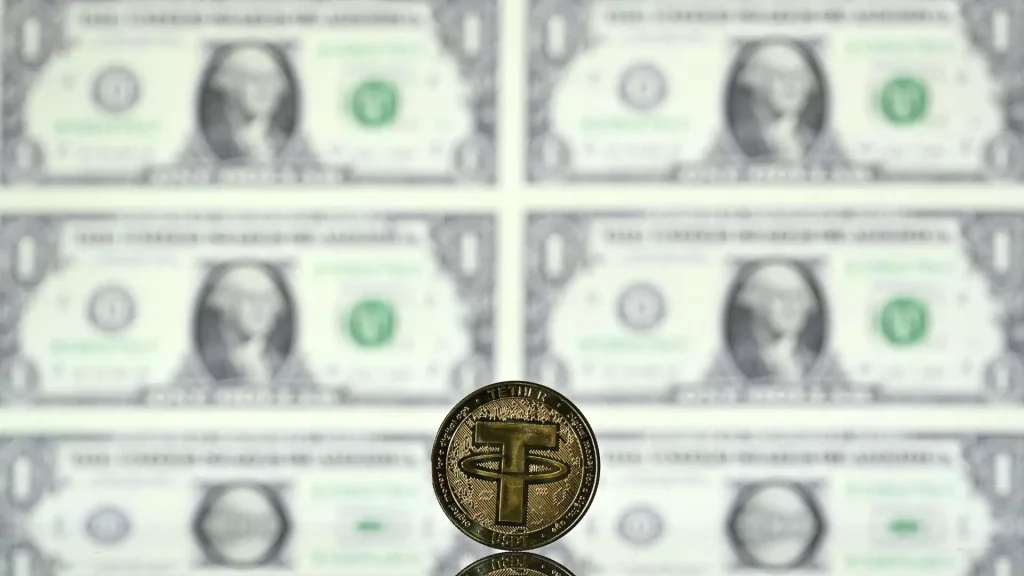
The world of digital finance is on the brink of a transformative era. Recent legislative initiatives in the United States aimed at regulating stablecoins are set to redefine the crypto landscape. Stablecoins—digital currencies pegged to traditional assets, particularly the U.S. dollar—play a pivotal role in trading, lending, and collateral within decentralized finance (DeFi). With regulatory clarity on the horizon, these assets are poised not only to grow in prominence but also to reinforce the dollar’s status as the world’s leading currency. Analysts project stablecoin assets could surge from \$230 billion today to over \$2 trillion by 2028, signaling a strategic shift in global finance.
Legislative Clarity as a Catalyst for Growth
The introduction of legislation such as the GENIUS and STABLE Acts provides critical clarity for an industry previously hindered by uncertainty. Historically, the lack of a coherent regulatory framework has slowed innovation and limited investment in stablecoins. As legal structures solidify, market participants are more likely to engage confidently, encouraging broader adoption and integration into mainstream financial systems. Regulatory certainty also provides the necessary foundation for investors to trust that stablecoins can operate safely and reliably within U.S. law.
Clear rules will enable issuers to scale operations, issue larger volumes of dollar-backed tokens, and support liquidity across global platforms. By establishing a predictable environment, legislation can accelerate the maturation of stablecoins, fostering both innovation and stability simultaneously.
Increasing Demand for U.S. Treasuries
Stablecoin issuers are projected to purchase trillions of dollars in U.S. Treasury securities to back their digital assets. Estimates suggest demand could reach \$1.6 trillion in the coming years. This represents a significant infusion of capital into U.S. financial instruments, reinforcing domestic fiscal stability while simultaneously signaling international confidence in the dollar.
Such robust demand strengthens the Treasury market and highlights a symbiotic relationship: stablecoins provide a bridge for global investors to access dollar-denominated assets, while U.S. Treasuries offer the stability required to underpin these digital currencies. This feedback loop has the potential to enhance investor confidence in the dollar, both domestically and internationally.
Strengthening the Dollar’s Network Effect
A key advantage of USD-backed stablecoins lies in their network effect. As more users, businesses, and platforms adopt these digital assets, the U.S. dollar becomes increasingly entrenched as the primary unit of value in global digital finance. This widespread adoption encourages liquidity, reduces transaction friction, and promotes the dollar as the default medium for cross-border digital transactions.
The network effect creates a reinforcing cycle: increased usage of dollar-backed stablecoins boosts the dollar’s prominence, which in turn attracts further adoption. Over time, this dynamic could make competing currencies less viable, consolidating the U.S. dollar’s dominance in the rapidly evolving digital economy.
A Buffer Against Economic Volatility
Stablecoins also provide resilience in times of economic uncertainty. Rising tariffs, trade tensions, and geopolitical instability have historically threatened the dollar’s influence. By anchoring digital assets to the U.S. dollar, stablecoins help maintain demand for dollars and dollar-denominated assets even amid turbulence.
This stabilizing effect mitigates market volatility and enhances the dollar’s appeal to investors seeking a reliable store of value. In essence, stablecoins act as both a technological and financial buffer, reinforcing the U.S. dollar’s global role in an increasingly interconnected and digitized economy.
Driving Financial Innovation
Beyond strengthening the dollar, stablecoin regulation encourages financial innovation. Blockchain-based stablecoins offer unprecedented flexibility, speed, and accessibility, enabling new financial instruments and services. Regulators and investors alike view these innovations as complementary to traditional finance rather than a replacement.
By fostering legal certainty while supporting technological development, the United States can position itself at the forefront of global digital finance. This approach ensures that innovation strengthens, rather than undermines, the dollar’s position as the dominant global currency.
Strategic Implications for Global Finance
The convergence of legislative clarity, increased Treasury demand, network effects, and technological innovation represents a strategic opportunity for the United States. Stablecoin adoption is not merely a financial trend; it is a pathway to fortifying the dollar’s dominance while shaping the future of digital finance.
Policymakers and financial institutions must recognize the dual benefits: stabilizing domestic markets and reinforcing international confidence in the U.S. dollar. Global investors and enterprises that integrate stablecoins into their operations may also contribute to a virtuous cycle, where digital innovation and currency stability mutually reinforce one another.
Conclusion
The anticipated regulatory framework for stablecoins promises to reshape both the cryptocurrency market and the broader global financial landscape. By providing legal clarity, boosting demand for U.S. Treasuries, enhancing network effects, and promoting innovation, these measures could firmly cement the U.S. dollar’s position as the world’s dominant currency. As the digital finance ecosystem evolves, stablecoins are likely to become a central instrument, balancing innovation with stability and safeguarding the dollar’s enduring global influence.